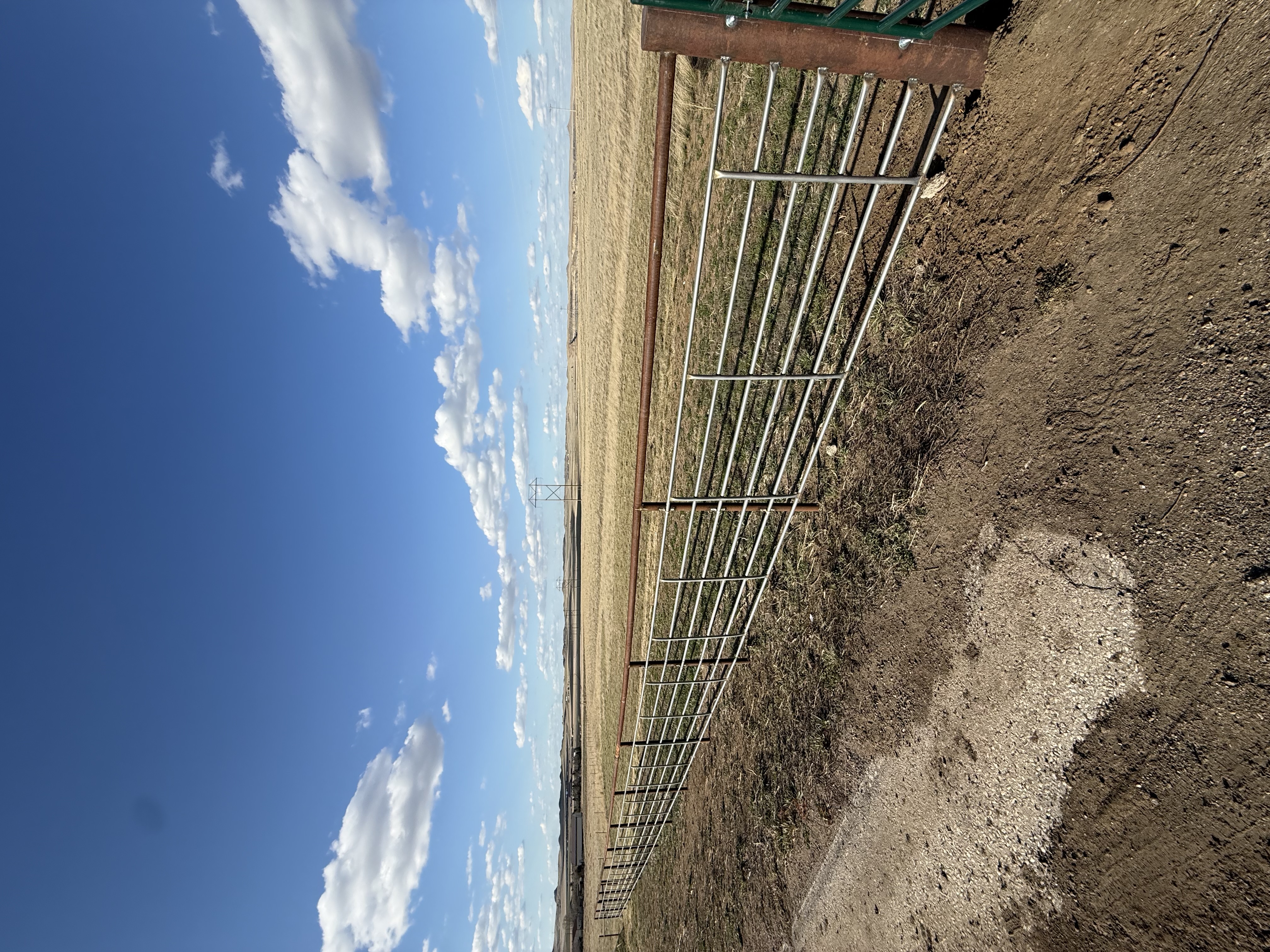
Weathering the Elements: Designing Fences for Extreme Climates Jul 06, 2026
When assessing how to effectively "weather the elements," understanding your local climate is vital. Whether you’re dealing with heavy snowfall, intense sunlight, high winds, or salty sea air, each condition brings its own set of challenges. In flood-prone areas, you might want materials that resist rot and mold. On the other hand, in hot dry climates, choosing materials that won't warp or fade easily is key.
Material choice is one of the most significant factors in creating a climate-resilient fence. Wood, while traditional and attractive, may require special treatments to withstand moisture, pests, and sun damage. Cedar and redwood are popular because of their natural resistance to decay and insect damage. However, in extremely wet climates, you may consider more robust solutions such as vinyl or composite materials. These not only offer superior resistance to moisture and insects but also maintain their appearance with little maintenance.
For those in windy regions, the structural design of your fence is as critical as the material. Ensure that the fence is anchored deep into the ground, which will help it remain steadfast during gusts. Picket or slatted styles can allow wind to pass through rather than putting pressure on a solid surface; this reduces the risk of toppling. Consulting with an experienced fencing service, like DS Industries, can provide insights into the optimal designs that balance aesthetic value with functional resilience.
Extreme cold can make materials brittle, leading to cracks and warping. Steel, although robust, can suffer from rust in humid or salty environments. Employing a galvanized or powder-coated finish can extend its lifespan significantly. Likewise, aluminum offers a rust-resistant and lightweight alternative, ideal for those dealing with harsh temperatures and corrosion risk.
Solar intensity is another consideration, especially in desert climates where UV exposure can fade colors and degrade materials over time. Vinyl fences have an edge here—modern UV inhibitors have greatly enhanced their resistance to fading and brittleness. Furthermore, color retention can be pivotal for maintaining the aesthetic appeal of your fencing over the years.
Finally, maintenance strategies are paramount in preserving your investment. Regular inspections and timely repairs will help extend the life of your fence. Painting or sealing wood annually, checking for insect infestations, and cleaning composite installations every few months can all substantially prolong your fence's durability.
In conclusion, designing a fence for extreme climates requires careful selection of materials, design considerations to withstand wind and weather patterns, and regular maintenance to ensure longevity. With the right approach, your fencing can remain as beautiful and sturdy as the day it was installed, regardless of the climatic challenges it faces. DS Industries stands ready to advise and assist in choosing and installing the perfect fencing solution tailored to your needs, ensuring your property remains secure and visually appealing throughout every season.
/filters:no_upscale()/filters:format(webp)/media/3f946a53-76b4-47be-b928-15b1b13b8cd0.jpeg)