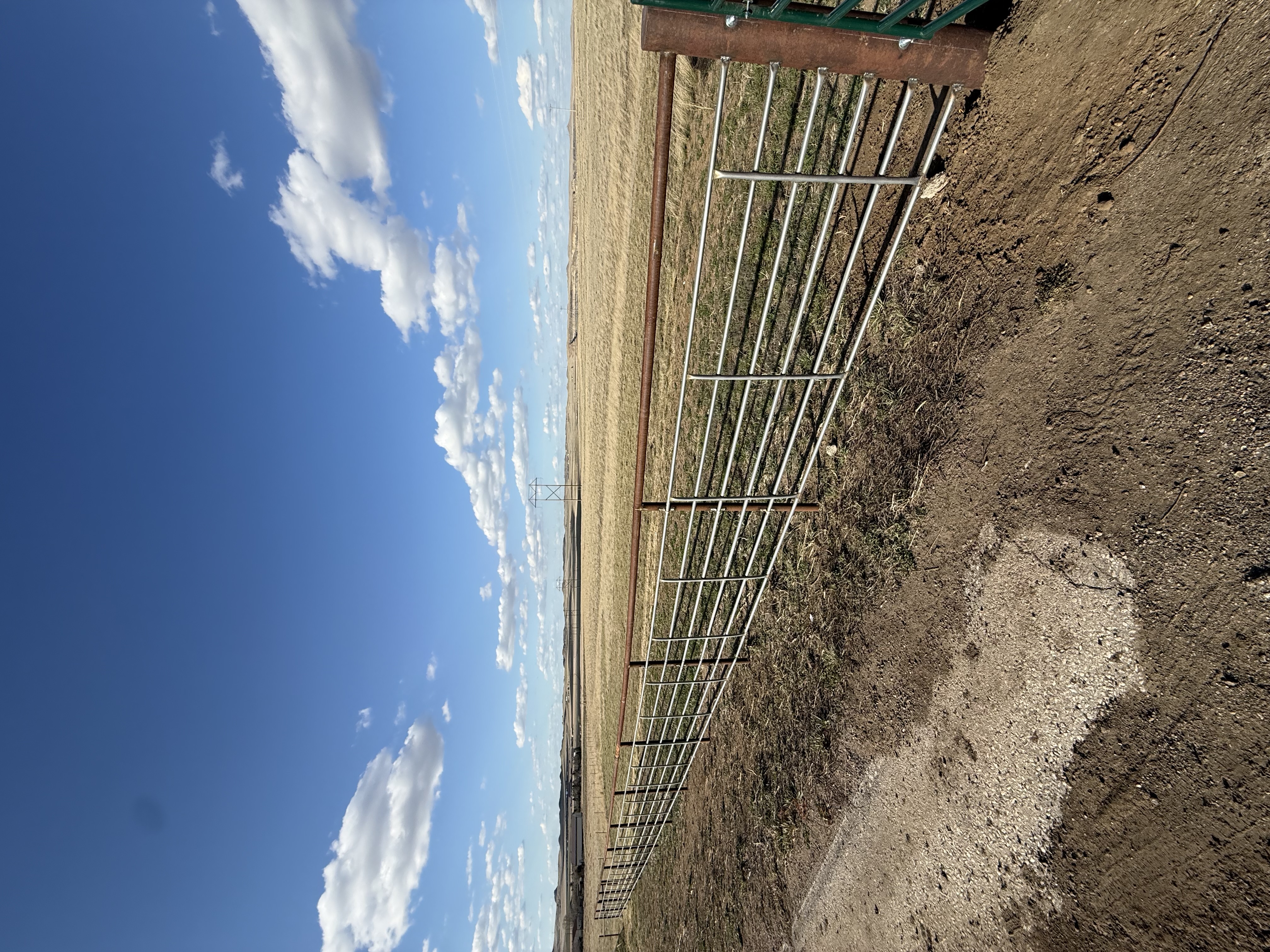
Weather-Resistant Fencing: Durable Solutions for Harsh Climates Jul 01, 2026
At the heart of weather-resistant fencing is the selection of appropriate materials. Not all fences are created equal, and for those in areas prone to heavy rain, wind, or extreme temperatures, choosing the right material is critical. Vinyl, aluminum, and certain types of treated wood are known for their durability and weather resistance. Vinyl fencing, for example, does not absorb moisture, making it an excellent choice for regions with high humidity or frequent rainfall. Aluminum fences offer robust resistance against rust, even in highly corrosive environments, while treated wood is specially designed to resist rot and decay.
The design of the fence also plays a significant role in its ability to endure harsh conditions. A fence that allows for adequate airflow will reduce wind pressure, minimizing the risk of damage during storms. This can be achieved by choosing styles such as louvered fences or designing spaces between the panels. Additionally, paying attention to the installation process is key. Strong, deep-set foundations will prevent leaning or toppling, which is crucial for maintaining structural integrity during turbulent weather events.
Another factor to consider is the maintenance routine. Routine maintenance is essential for extending the lifespan of any fence, including weather-resistant varieties. Regular cleaning, checking for damage, and timely repairs can prevent small issues from escalating into significant problems. For wooden fences, sealing them annually will provide an extra layer of protection against moisture and UV damage. Metal fences should be checked for rust spots and treated accordingly to prevent corrosion from spreading.
Advanced protective treatments and finishes can further enhance the durability of your fence. For instance, UV-resistant coatings protect against sun damage, which is particularly beneficial in hot climates where prolonged exposure can cause materials to weaken. Similarly, water-repellent sealants can be applied to wood and other porous materials to prevent water absorption and subsequent damage.
For those living in regions with drastic seasonal shifts, considering versatile solutions such as removable panels or modular fencing can be advantageous. These options allow homeowners to adapt their fencing to current weather conditions, offering additional protection when needed.
As we consider the investment involved in fencing, it is vital to acknowledge that while upfront costs for some materials might be higher, the long-term benefits of reduced maintenance and replacement requirements often offset these initial expenses. By choosing weather-resistant solutions, you not only ensure the longevity and functionality of your fence but also enhance the aesthetic and security of your property.
In conclusion, weather-resistant fencing offers a smart strategy for homeowners looking to protect their property against the elements. By selecting the right materials, incorporating thoughtful designs, and committing to routine maintenance, you can enjoy a durable, resilient fence tailored to withstand harsh climates. At DS Industries, we are committed to providing expert advice and high-quality products that meet your specific fencing needs, ensuring both satisfaction and peace of mind for years to come.
/filters:no_upscale()/filters:format(webp)/media/3f946a53-76b4-47be-b928-15b1b13b8cd0.jpeg)