How to Incorporate Fencing into Your Landscape Design for a Harmonious Yard Nov 21, 2025
Begin by assessing the purpose of your fence. Are you looking to add privacy, block wind, or keep pets and children safe? Or perhaps you simply wish to frame your garden beautifully? Understanding the primary function will guide your choices in terms of height, style, and materials. For example, a tall wooden fence can provide excellent privacy and a warm, natural look, while a low picket fence might simply delineate boundaries in a visually pleasing way without obstructing views.
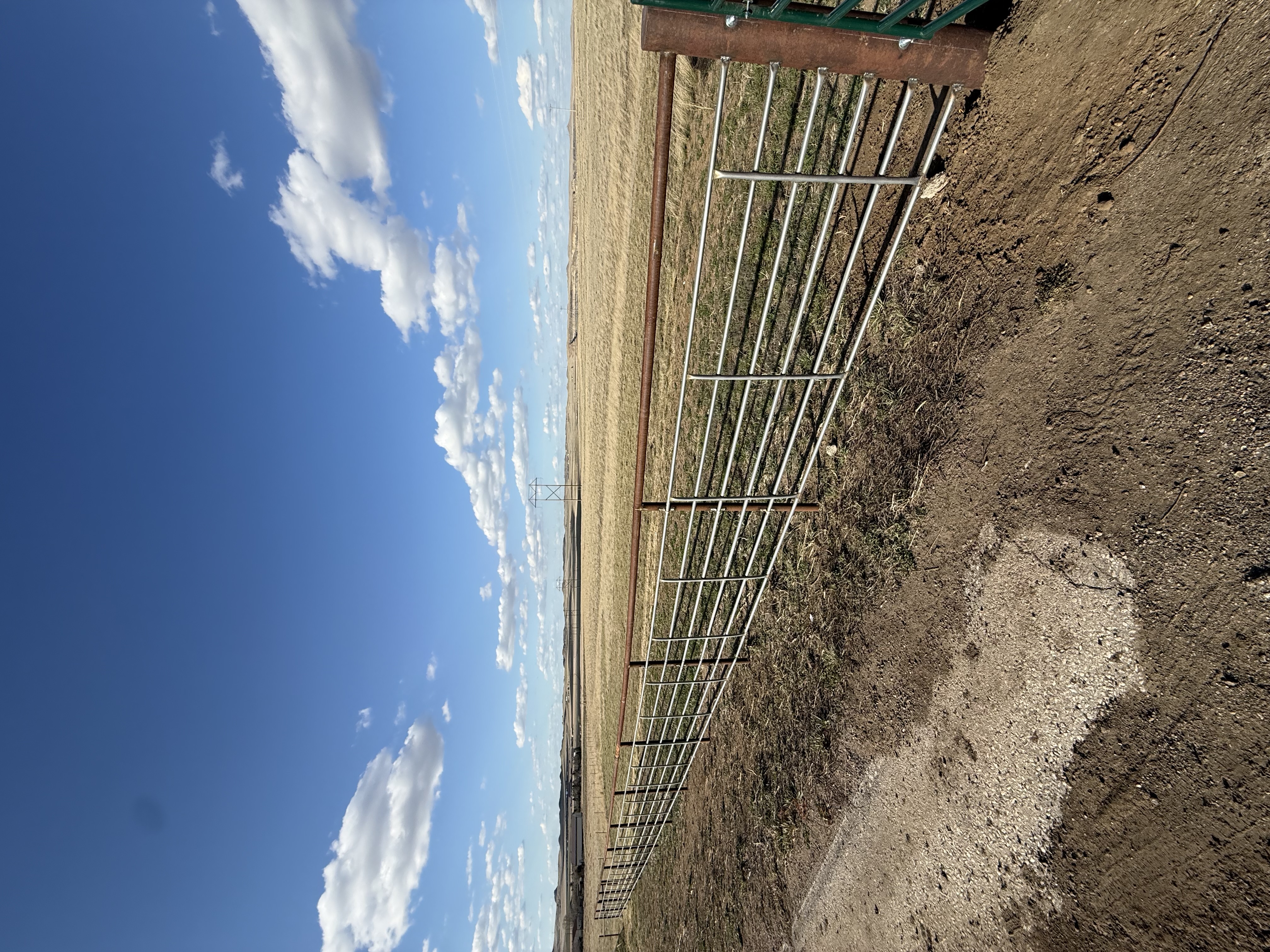
The selection of materials is another crucial step in merging fences with landscaping. Materials such as wood, vinyl, metal, and composite each come with distinct advantages and can profoundly affect your landscape's overall vibe. Wooden fences add a rustic charm and can be customized with paint or stain to match surrounding elements. On the other hand, metal fences, such as wrought iron, can evoke a more stately elegance, perfect for classical or formal garden designs.
The next aspect to consider is the integration of plants and greenery with your fence. Strategically planting trees, shrubs, and flowers around your fence can soften its look and help it blend seamlessly into the landscape. Fast-growing vines like clematis or ivy can add a lush, green effect to fences, creating a serene and cooling backdrop for your yard. Similarly, planting fragrant flowers, such as jasmine or lavender, near your fence can enhance the sensory experience, attracting birds and butterflies to your garden.
Incorporating elements of style and design further enhances the harmony between your fence and the landscape. For instance, using fences with varied heights can create visual interest and help define different areas within your yard, such as garden zones, children's play areas, or a secluded nook for meditation. Adding decorative elements like lattice tops, ornamental post caps, or integrating lighting can elevate the function and beauty of your fence, turning it into a standalone feature rather than a mere border.
Maintenance should also play a role in your planning. The longevity and appearance of your fencing can be significantly affected by the care it receives. Choose materials and designs that align with how much time and effort you can dedicate to upkeep. If minimal maintenance is a priority, consider materials like vinyl or treated metal that resist weather damage and don’t require frequent repairs or repainting.
To conclude, incorporating fencing into your landscape design involves careful planning and consideration of various factors to achieve a balanced, visually appealing, and functional outdoor space. Think about the purpose, select materials and plants that complement your yard, and personalize your fence with style elements that resonate with your aesthetic preferences. Doing so will ensure your fence not only serves its practical purpose but also enhances the beauty and harmony of your entire yard. By taking these thoughtful steps, you can create a peaceful, well-defined, and enchanting outdoor haven right in your backyard.
/filters:no_upscale()/filters:format(webp)/media/3f946a53-76b4-47be-b928-15b1b13b8cd0.jpeg)