Fencing for Privacy and Wildlife: Coexisting with Nature Seamlessly Jun 12, 2026
When considering fencing for privacy and wildlife, it's essential to assess your specific needs clearly. Begin by identifying the primary function of your fence. Are you seeking solitude from neighboring properties, or is your goal to define boundaries without obstructing the free movement of wildlife? Understanding these needs will guide you toward the most suitable fencing options available.
Wooden fences remain popular due to their versatility and natural appeal. They provide exceptional privacy and can be designed with various heights and styles. Solid wood fences act as an effective visual barrier while also blending seamlessly into the natural landscape. However, if you’re in an area frequented by local fauna, consider opting for designs that allow some permeability, such as split-rail or picket styles. These designs permit smaller wildlife to pass through, minimizing disruption to natural migratory routes.
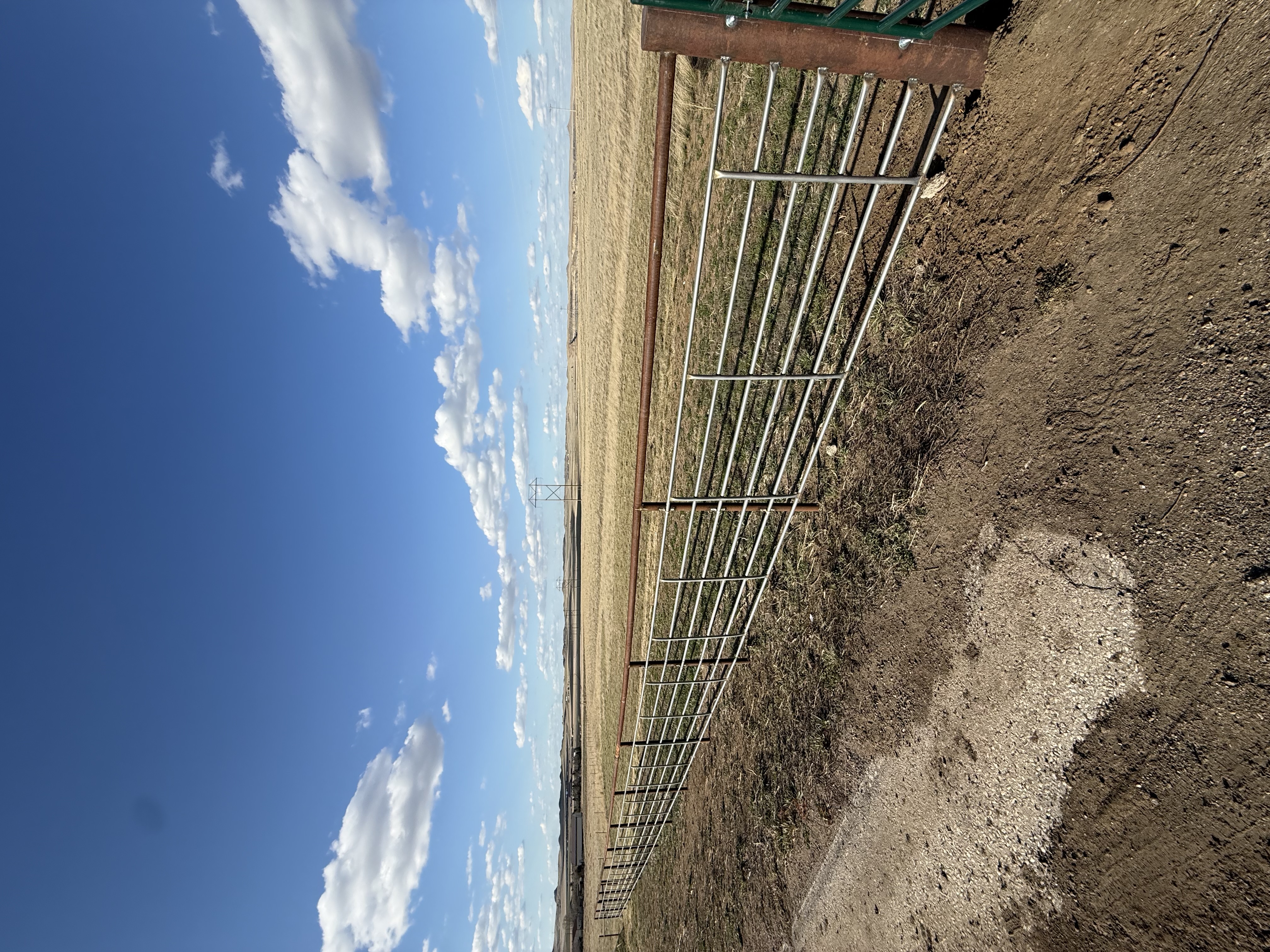
An alternative that effectively balances privacy and wildlife access is wire fencing, which offers a see-through barrier while still defining property limits. DS Industries offers a range of coated wire fences that are durable and aesthetically pleasing. These fences can be strategically integrated alongside natural vegetation or implemented with climbing plants that add to the natural aesthetic while providing additional privacy.
When establishing a wildlife-friendly fence, it's crucial to consider materials and layouts that prevent harm to animals. Opt for fences without sharp edges and avoid barbed wire or electric elements in areas populated by wildlife. Our expert team at DS Industries can guide you in selecting materials proven to prevent wildlife injury while achieving the desired level of privacy.
Aside from choosing the right design and materials, several installation practices can further enhance the coexistence of fences with wildlife. For instance, elevate the bottom of the fence a few inches off the ground, permitting smaller animals to cross safely. This approach is beneficial around properties in rural settings, where small mammals and ground-dwelling species thrive. Ensure that the structure is visible to prevent collisions, particularly for highly active nocturnal wildlife. Reflective tags or visible colors within the fencing design can mitigate these incidents effectively.
Maintaining a habitat-friendly environment doesn’t stop at the fence line. Incorporating native plants and shrubs around your fencing provides food and shelter to local wildlife, nurturing biodiversity. DS Industries believes in sustainable and eco-friendly practices, offering advice on landscaping that enhances both privacy and environmental balance. By surrounding your fence with complementary flora, you create a natural buffer that supports ecosystems and enhances the visual appeal of your outdoor space.
Finally, remember that regular maintenance of your fencing ensures longevity and sustained effectiveness, whether preserving your privacy or maintaining a wildlife-friendly barrier. Regular checks for structural integrity, clearing debris or overgrowth, and ensuring all components remain secure are critical.
At DS Industries, we offer comprehensive support at every stage, from selecting the appropriate design to installation and maintenance. Achieving a harmonious balance between your privacy needs and wildlife conservation is possible with thoughtful planning and expert guidance. By working together, we can ensure that your fencing project respects both personal privacy and the natural habitats around you.
/filters:no_upscale()/filters:format(webp)/media/3f946a53-76b4-47be-b928-15b1b13b8cd0.jpeg)