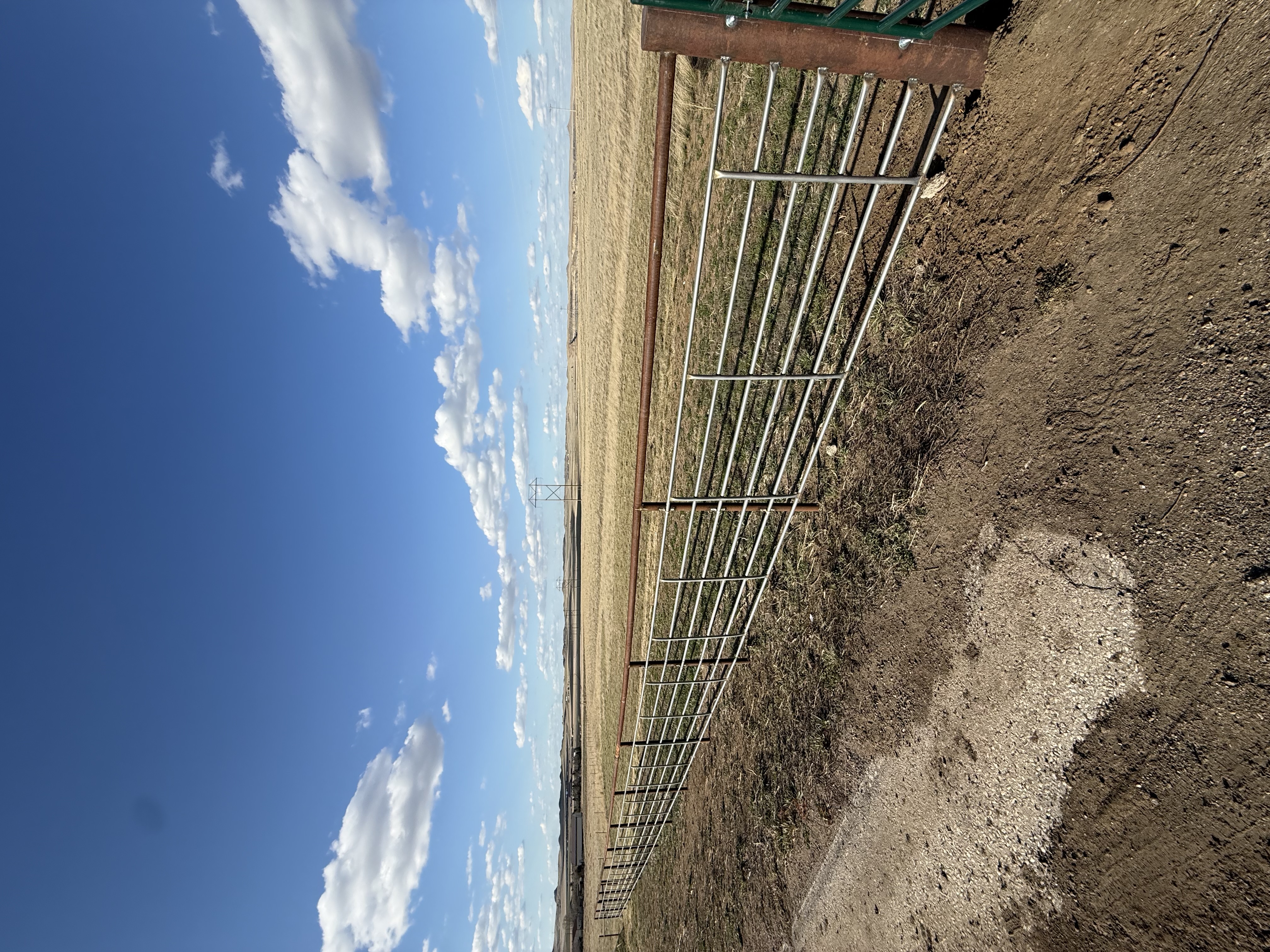
Eco-Friendly Fencing: How to Install and Maintain Sustainable Barriers Jun 20, 2026
When installing a sustainable fence, start with selecting the right materials. Recycled wood or metal and natural materials like bamboo are excellent options. These materials consume fewer resources during production and are often biodegradable or recyclable. For instance, bamboo grows rapidly and regenerates without needing replanting, making it a renewable resource ideal for fencing. Recycled metals hold up well against the elements and can be repurposed even after their lifecycle as a fence concludes.
The installation process is equally important in maintaining the eco-friendliness of your fence. Avoid harmful chemicals traditionally used to treat wood by opting for natural preservatives. These can protect against rot and pests without leaching toxins into the surrounding soil. For metal fences, look for powder coatings that are less damaging to the environment than traditional paint options. When setting your fence, consider leaving small gaps between the boards to allow for better airflow and reduce unnecessary material usage, which enhances durability and reduces decay.
Once your eco-friendly fence is in place, maintenance is vital to ensure its longevity. Regular inspections are crucial to spot early signs of wear or damage, which might otherwise go unnoticed and result in significant repairs. For wooden fences, check for mold or rot, particularly after inclement weather. Lightly sanding and resealing every few years can help protect against these issues and keep the wood resilient.
Metal fences require less intensive care but should still be regularly checked for rust or other weather-related damage. Clean the surfaces with eco-friendly detergents to avoid introducing harmful substances into your garden. Treat any rust spots promptly to prevent them from spreading and weakening the structure.
For both metal and wood, landscaping around your fence can enhance its life span and health. Planting shrubs or climbing plants can provide natural protection from harsh elements while improving the aesthetic appearance of the fence. Be mindful of the types of plants you select—opt for native species that require minimal water and maintenance.
Investing in solar-powered lights for visibility and security is another means to maintain environmental friendliness. These lights are not only energy-efficient but also provide additional safety and aesthetic value to your fence at night.
In conclusion, achieving a sustainable and eco-friendly fencing solution is possible with the right choices of materials, installation techniques, and maintenance practices. Opting for eco-friendly fencing is an investment not just in your property, but in the planet. At DS Industries, we are committed to guiding you through this process, ensuring your fences are functional, beautiful, and environmentally responsible. Remember, every step towards sustainability not only preserves the earth's resources but also sets a precedent for future generations. Reach out to us for more personalized advice and solutions tailored to your specific needs, as we help you construct and maintain a garden that thrives sustainably.
/filters:no_upscale()/filters:format(webp)/media/3f946a53-76b4-47be-b928-15b1b13b8cd0.jpeg)