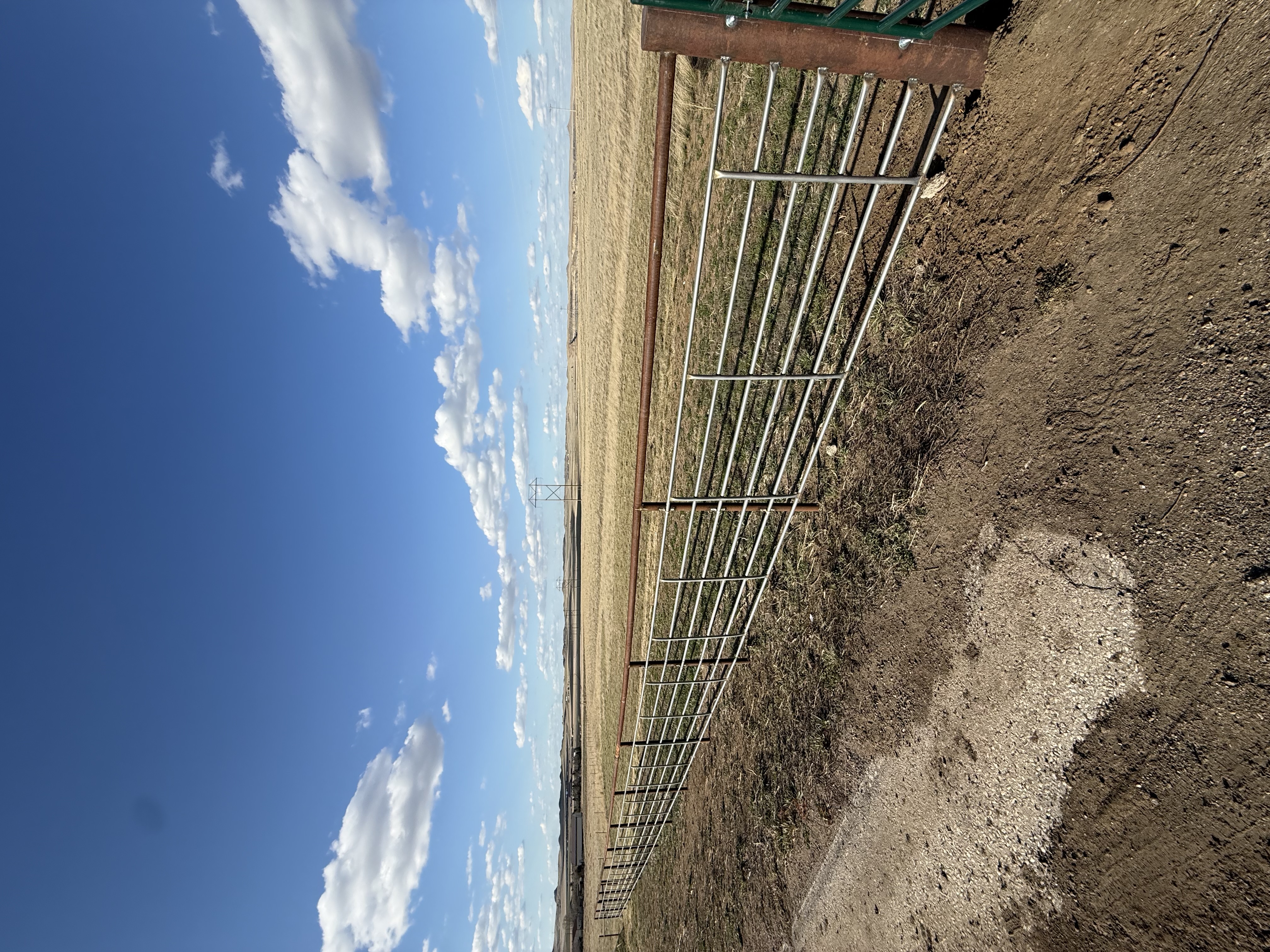
Designing Coastal Fencing: Solutions for Saltwater Environments May 03, 2026
The initial step in designing coastal fencing is to identify the best materials that can withstand the elements. Saltwater, in particular, can be corrosive and deteriorate many common fencing materials. Therefore, it's crucial to choose options that offer resilience and durability. Vinyl and powder-coated aluminum are excellent choices, as they resist rust and decay while providing a clean, sleek appearance. Similarly, stainless steel and specially treated wood can also perform well in these conditions, provided they are maintained with the appropriate protective finishes and coatings.
Apart from material selection, the design of the fence must also account for the coastal environment's natural challenges. Strong winds are typical along shorelines; hence, fence designs that reduce wind resistance are advantageous. Lattice or rail fences are examples of styles that enable wind to flow through, thereby reducing pressure on the structure. This consideration not only helps in maintaining the structural integrity of the fence but also prolongs its overall lifespan.
Another aspect to consider is the impact of sea spray and other moisture sources, which can encourage the growth of mold and mildew. Choosing materials that are treated to resist moisture absorption can mitigate this risk. Furthermore, regular maintenance, including washing the fence with fresh water to clear away salt deposits and applying protective sealants, is essential to keeping the fence in top condition.
Incorporating vegetation into coastal fencing design not only enhances the visual appeal but also offers additional environmental benefits. Plants such as sea oats and grasses stabilize the soil around the fence, helping to prevent erosion. Additionally, salt-tolerant shrubs can provide a natural windbreak, further protecting the fence and the property behind it.
When designing coastal fencing, it is also important to consider local regulations, which often exist to protect coastal ecosystems. Ensuring compliance with these rules not only avoids legal complications but also contributes to the sustainable preservation of these sensitive habitats.
At DS Industries, we pride ourselves on offering comprehensive fencing solutions tailored to the demands of coastal environments. Our team of specialists is ready to guide you through the selection of the best materials, designs, and maintenance practices for your specific location and needs. We focus on providing not only practical solutions but also enhancing the aesthetic appeal of your property to create a harmonious blend between the built and natural environment.
In conclusion, designing fencing for coastal areas requires attention to material durability, design to combat wind and moisture challenges, and ongoing maintenance to extend the fence's life. By selecting the right materials and designs, and incorporating routine maintenance, you can ensure your coastal fence stands strong against nature's elements while adding value and beauty to your property. Contact DS Industries to learn more about how we can help transform your coastal site with expert fencing solutions tailored to withstand the saltwater environment.
/filters:no_upscale()/filters:format(webp)/media/3f946a53-76b4-47be-b928-15b1b13b8cd0.jpeg)