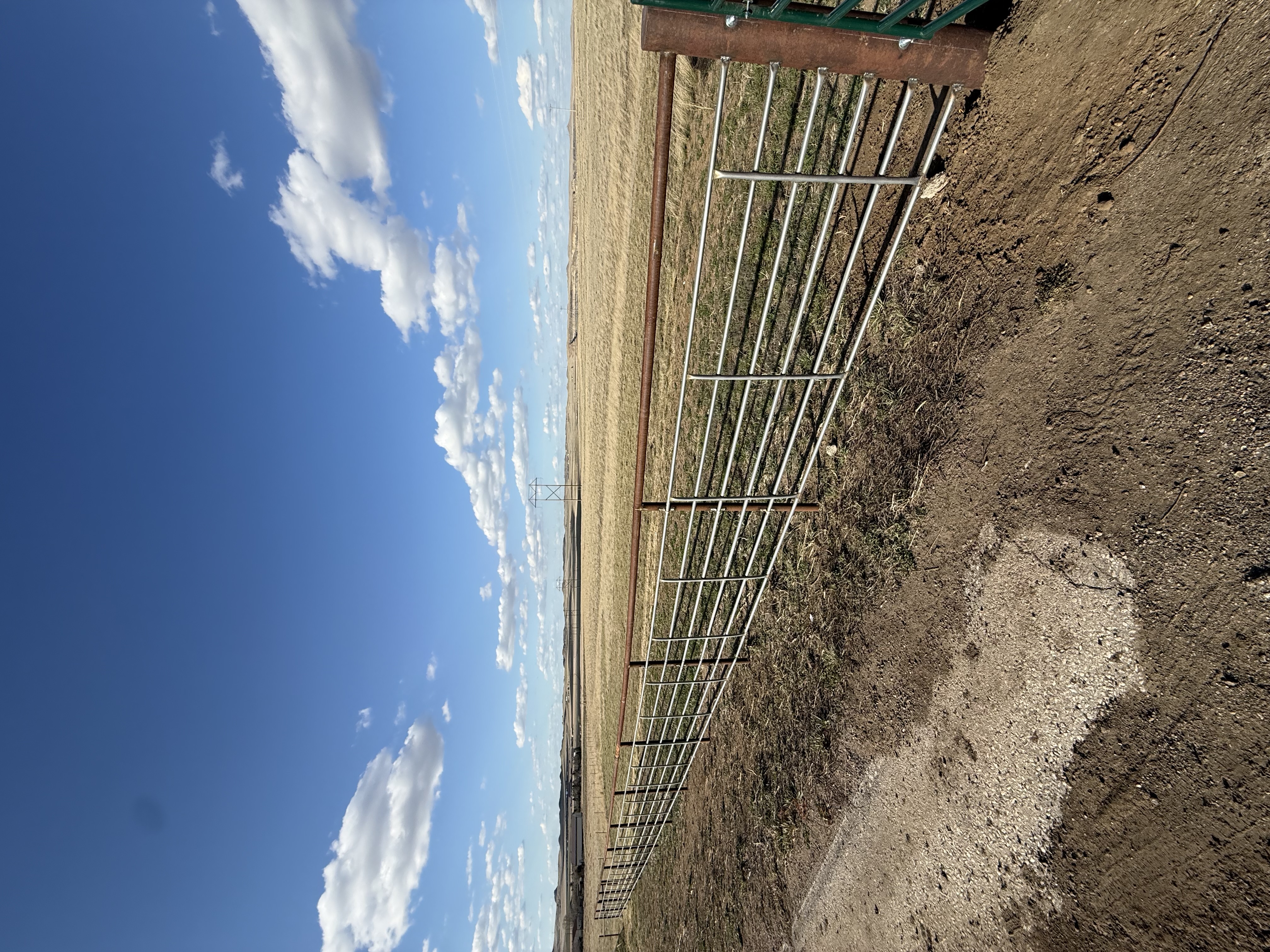
Beyond Wood: Exploring Alternative Materials for Durable Fencing Jun 20, 2026
Vinyl fencing is renowned for its longevity and low maintenance. Unlike wood, vinyl doesn't warp, crack, or rot, making it an excellent choice for those seeking a fuss-free solution. Its smooth surface doesn't require regular painting or staining, and a simple wash with soap and water can keep it looking pristine. Vinyl is available in a plethora of styles and colors, allowing homeowners to customize their fences to match their individual aesthetics. Additionally, vinyl is resistant to pests and harsh weather conditions, making it an ideal option for various climates.
Aluminum fencing offers the perfect blend of elegance and durability. Many choose aluminum for its ability to mimic the classic appeal of wrought iron without the heavy weight or the susceptibility to rust. This means you get both the aesthetic charm and structural reliability in one package. Aluminum fences come with powder-coated finishes that provide added resistance against corrosion and wear. What's more, aluminum is fully recyclable, making it a sustainable choice for eco-conscious property owners. With its lightweight nature, aluminum fencing is also easier and quicker to install, reducing labor costs.
Composite fencing is perhaps one of the most versatile alternatives on the market. Comprised of a combination of wood fibers and plastic, composite fences capitalize on the strengths of both materials. The result is a product that maintains the appearance of traditional wood while boasting the resilience of synthetic materials. Composite fences can withstand severe weather, resist mold, and require very little upkeep, not to mention their longevity. Furthermore, composite materials often use recycled elements, contributing to a greener planet.
Choosing the right material for fencing is a decision that depends heavily on personal preferences, budget, and environmental factors. It's crucial to evaluate the specific needs of your property and consider not just the upfront costs but also the long-term maintenance expenses and overall lifespan of the material. While the initial installation cost of alternative materials might be higher than traditional wood, their long-term benefits often justify the investment. Lower maintenance demands, weather resistance, and durability make alternative materials a wise choice for lasting fencing solutions.
At DS Industries, we are committed to helping you make an informed decision that suits your fencing needs. Our team of experts is always ready to assist you in exploring these alternative options and guide you in selecting the perfect material for your project. Investing in a premium fencing solution enhances not only your property's value but also its aesthetic appeal and security.
In conclusion, venturing beyond wood to consider alternative fencing materials can open up a world of benefits. Whether you are focused on sustainability, aesthetic appeal, or maintenance ease, there is a solution out there waiting for you. Trust DS Industries to provide the expertise and high-quality service necessary to transform your fencing vision into reality. Embrace the future of fencing and enjoy peace of mind with a durable and visually pleasing perimeter around your home or business.
/filters:no_upscale()/filters:format(webp)/media/3f946a53-76b4-47be-b928-15b1b13b8cd0.jpeg)